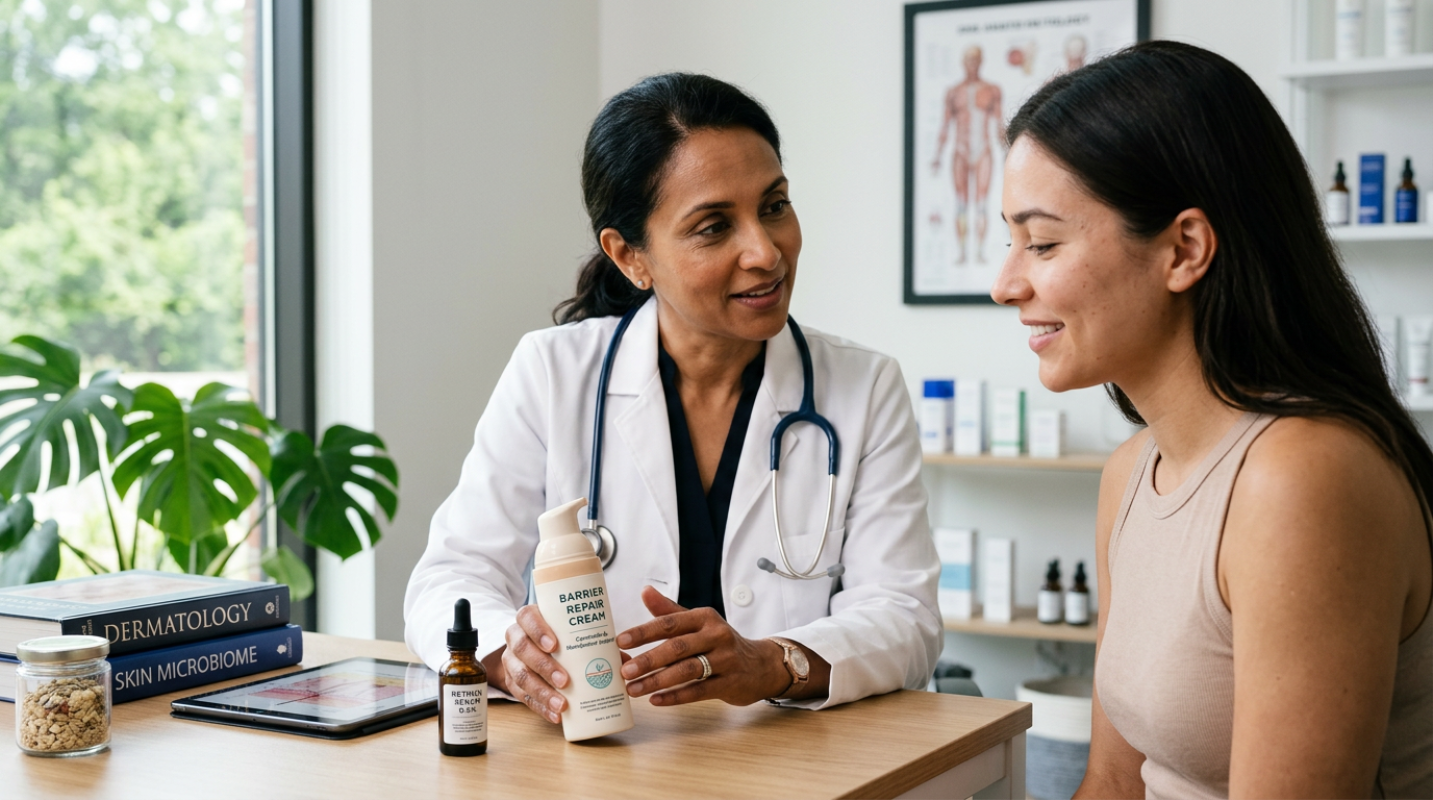
 (Image source: Gemini)
 If you've ever woken up with a face that feels two sizes too small, looks like a sun-scorched tomato, and stings at the mere suggestion of a breeze, you've likely experienced the infamous retinol burn. For years, we were told this was just the price of entry for youthful skin. We leaned into the "no pain, no gain" philosophy, treating our faces like a construction site that needed constant demolition to see any progress. But the tide has turned. It is 2026, and the era of aggressive skincare is officially in the rearview mirror. We are witnessing a massive shift in how both doctors and consumers approach aging. The focus has moved away from stripping the skin down and toward building it back up. In fact, market data shows that barrier-repair and microbiome-friendly products are now growing at nearly double the rate of traditional anti-aging actives.
We are Rethinking Aggressive Skincare
Think back to the skincare boom of 2020 through 2022. Social media was flooded with "glass skin" tutorials that required seven different acids and a high-percentage retinoid every single night. We became obsessed with cell turnover, thinking that if a 0.2 percent retinol was good, a 1.0 percent version must be five times better.
What we ended up with was a global epidemic of compromised skin barriers. Dermatologists started seeing a surge in "retinoid dermatitis," a condition where the skin becomes chronically inflamed, flaky, and hypersensitive. By chasing the fountain of youth through aggressive peeling, we were actually making ourselves look older.
This happens because of a process experts call inflammaging. When you constantly irritate your skin, you trigger low-grade, chronic inflammation. This inflammation actually breaks down collagen and elastin, the very things you were trying to save. It turns out that a red, angry face is not a sign of "working" skincare. It is a sign of a system in distress.
The Microbiome as Your Skin's Invisible Guardian
So what exactly are we protecting? To understand the shift, you have to look at the skin microbiome. Think of it like a microscopic rainforest living on your forehead, cheeks, and chin. It is a delicate ecosystem of trillions of bacteria, fungi, and viruses that act as your skin's first line of defense.
When this ecosystem is balanced, your skin is resilient. It holds onto moisture, fights off pathogens, and heals itself quickly. But when you blast it with harsh actives and over-exfoliation, you wipe out the beneficial bacteria. This leaves the door wide open for irritation and sensitivity.
We are finally getting the hard science to back this up. In late 2024, researchers at the Tokyo University of Science reached a major milestone by developing the first complex culture system to grow multiple skin bacteria together.² This allows scientists to see, for the first time, how products affect the balance of the whole community rather than just one strain. We are realizing that "clean" skin isn't sterile skin. Healthy skin is crowded with the right kind of life.
The Rise of Barrier Repair
The numbers tell a clear story. Although retinol is still a household name, its growth has slowed to a modest 4 to 6 percent. Meanwhile, the microbiome skincare market is exploding with a growth rate of over 12 percent. Consumers are voting with their wallets, and they are choosing comfort over irritation.
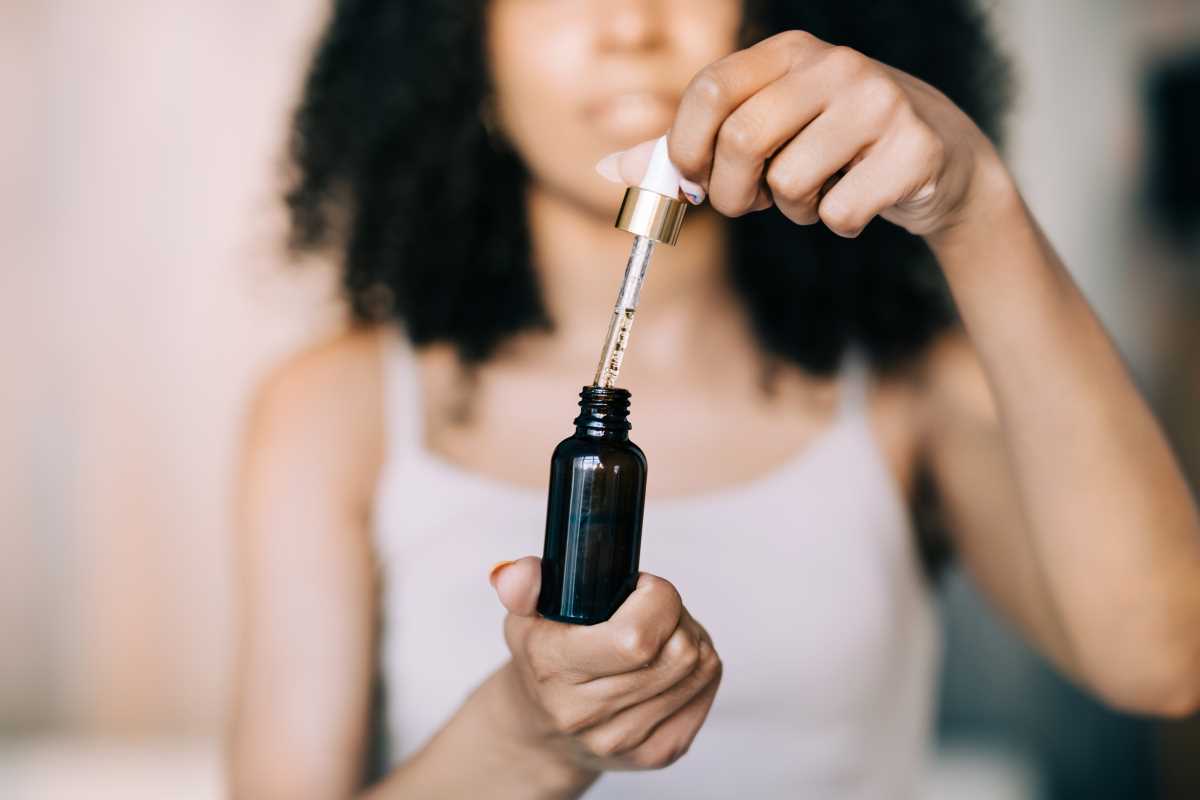
At major retailers like Ulta Beauty, clinical and barrier-focused brands are now the undisputed heavyweights.³ You've probably noticed products like La Roche-Posay's Cicaplast Baume B5 or Skinfix's Triple Lipid-Peptide Cream taking over your social media feeds. These aren't just "moisturizers." They are formulated to mimic the skin's natural lipid structure, using ceramides, fatty acids, and cholesterol to patch the holes in your protective seal.
There is also a psychological shift happening. A recent analysis found that barrier-supportive products received 18 percent higher satisfaction scores than products focused solely on wrinkle reduction. People are tired of the "skincare overkill" cycle. They want routines that make their skin feel good today, not just routines that promise results in six months if they can survive the peeling.
The New Philosophy of Skin Cycling and Microbiome-Friendly Ingredients
Does this mean you have to throw your retinol in the trash? Not necessarily. But the way we use it has changed. The new gold standard is "skin cycling," a method that prioritizes recovery days. You might use an active ingredient one night, followed by two or three nights of pure barrier repair.
We are also seeing the rise of "postbiotics" as the superstar ingredients of 2026. Although probiotics are live bacteria and prebiotics are the "food" for those bacteria, postbiotics are the beneficial byproducts they leave behind. They are stable, easy to formulate, and incredibly effective at calming the skin and strengthening its defenses.
If you are looking to rebuild your routine, here are the types of products that are currently leading the market.
- Lipid-Rich Creams: Look for products containing Ceramides 1, 3, and 6-II. These are the "mortar" between your skin cell "bricks."
- Fermented Actives: Ingredients like Bifida Ferment or Galactomyces help support the microbiome's natural diversity.
- Soothing Botanicals: Centella Asiatica (often called Cica) and Panthenol (Vitamin B5) are the go-to ingredients for stopping a "retinol burn" in its tracks.
- Gentle Alternatives: Bakuchiol and specialized peptides are gaining ground for those who want anti-aging benefits without the microbiome-disrupting side effects of traditional retinoids.
A Path to Your Best Skin
The biggest takeaway from this shift in dermatology is that healthy skin ages better than "corrected" skin. We've stopped looking at the barrier as something to be bypassed and started seeing it as the foundation of everything else. If the barrier is broken, no amount of expensive serum is going to fix the underlying issues.
In 2026, the most effective skincare routine is the one that respects your biological ecosystem. It's about listening to your skin. If it feels tight, it's thirsty. If it's red, it's tired. We are moving toward a "skinimalism" approach where less is often more. By focusing on hydration, lipid replenishment, and microbial balance, you aren't just fixing a temporary problem. You are setting your skin up for long-term health.
The trend is clear. We are moving away from the "scorched earth" policy of the past decade. The future of beauty isn't found in a higher percentage of acid. It's found in the quiet, invisible work of a healthy microbiome.
This article on sbite.co is for informational and educational purposes only. Readers are encouraged to consult qualified professionals and verify details with official sources before making decisions. This content does not constitute professional advice.